


Introduction
The future of digital finance is changing how people save, spend, invest, and manage money in daily life. Over the last decade, financial systems have shifted from traditional banking to fast, online, and mobile-based solutions. Now, we are moving into a more advanced stage where the future of digital finance will be powered by artificial intelligence, blockchain, automation, and decentralized systems.
In simple terms, digital finance means using technology to handle financial activities instead of depending only on physical banks or cash. Today, people can transfer money in seconds, invest through apps, and even use digital currencies. But what comes next is even more powerful and transformative.
The future of digital finance will focus on speed, security, transparency, and global access. It will remove many barriers that people face in traditional banking systems. At the same time, it will also bring new challenges such as cybersecurity risks and digital literacy gaps.
In this article, we will explore what the future of digital finance looks like, why it is important, how it works, its benefits, risks, common mistakes, and expert tips to help you understand this growing digital world in a simple and practical way.
What is Future of Digital Finance?
The future of digital finance refers to the next generation of financial systems that rely heavily on advanced technologies. It includes innovations like artificial intelligence, blockchain networks, digital wallets, cryptocurrencies, and automated banking systems.
In the future of digital finance, traditional banking will become more integrated with smart technologies. Instead of visiting a bank branch, users will manage everything from mobile apps or digital platforms. Financial services will become more personalized, faster, and more secure.
Another key aspect of the future of digital finance is decentralization. This means that financial control will not be limited to big institutions only. People will have more control over their money using digital tools and peer-to-peer systems.
Additionally, the future of digital finance will connect global economies more closely. A person in one country will be able to send money or invest in another country instantly, without complex processes or high fees.
Overall, it is a shift from traditional financial systems to smart, digital-first ecosystems that are built for speed, efficiency, and accessibility.
Why is Future of Digital Finance Important?
The future of digital finance is important because it is reshaping how the world handles money. As technology grows, people expect faster and more convenient financial services. Traditional systems often fail to meet these expectations due to delays, high fees, and limited access.
One major reason it is important is financial inclusion. Millions of people around the world do not have access to banks. The future of digital finance allows them to use financial services through smartphones and internet connections.
It also improves transparency. Digital systems record transactions in real time, reducing fraud and increasing trust between users and financial institutions.
Another reason is efficiency. Automated systems reduce human error and speed up processes like payments, loans, and investments. Businesses also benefit by reducing operational costs and improving customer experiences.
Finally, the future of digital finance is important because it supports global innovation. It encourages new financial products, investment opportunities, and economic growth in both developed and developing countries.
Detailed Step-by-Step Guide
Understanding Digital Financial Systems
To understand the future of digital finance, you first need to know how current digital systems work. These systems use online platforms, mobile apps, and cloud-based services to manage financial activities.
Role of Emerging Technologies
The future of digital finance is driven by several key technologies:
- Artificial Intelligence for smart financial decisions
- Blockchain for secure and transparent transactions
- Big Data for personalized financial services
- Cloud computing for scalable banking solutions
These technologies work together to create faster and safer financial ecosystems.
Shift from Traditional to Digital Banking
Banks are moving from physical branches to digital platforms. Customers can now open accounts, transfer money, and apply for loans online. In the future of digital finance, this shift will become even more advanced with fully automated banking systems.
Rise of Digital Payments and Wallets
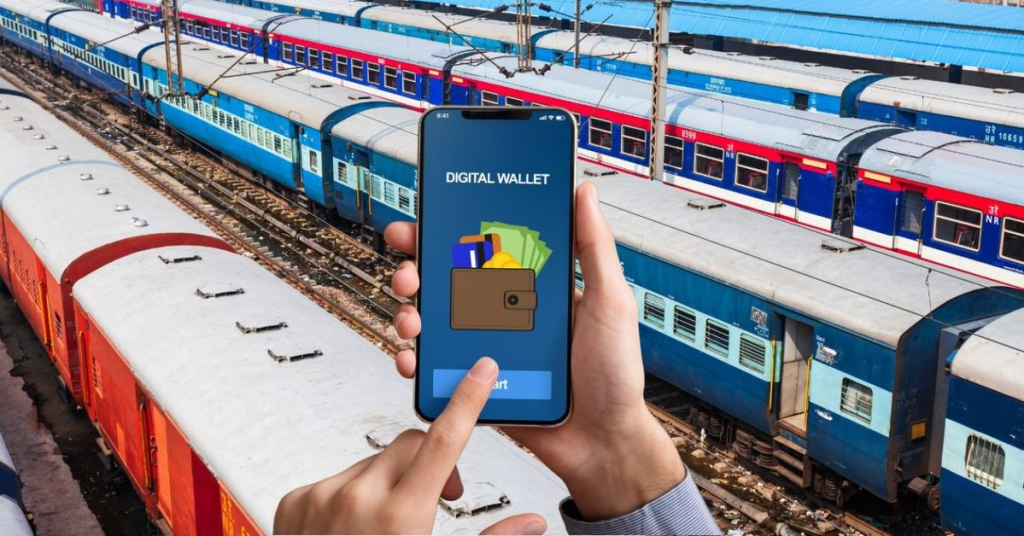
Digital wallets and contactless payments are becoming normal. In the future of digital finance, physical cash will reduce further, and most transactions will happen digitally using mobile devices or wearable technology.
Integration of Cryptocurrency and Blockchain
Cryptocurrencies and blockchain will play a major role. They allow secure, decentralized transactions without traditional intermediaries. This will increase speed and reduce transaction costs globally.
Personalized Financial Services
AI will analyze user behavior and provide customized financial advice. This means users will get better investment suggestions, savings plans, and spending insights based on their habits.
Benefits of Future of Digital Finance
- Faster transactions with minimal delays
- Lower banking and transaction fees
- Improved financial inclusion for unbanked populations
- High-level security through encryption and blockchain
- Easy access to global markets and investments
- Automated financial planning and smart budgeting tools
- Reduced dependency on physical banks
- 24/7 access to financial services
- Better transparency in financial systems
- Increased innovation in financial products
Disadvantages / Risks
- High risk of cyberattacks and hacking attempts
- Privacy concerns due to data collection
- Digital divide affecting people without internet access
- Over-dependence on technology systems
- Regulatory challenges in different countries
- Possible job losses in traditional banking roles
- Volatility in digital currencies and assets
- Technical failures causing transaction issues
Common Mistakes to Avoid
Many people make mistakes when using digital financial systems. One common mistake is ignoring security practices. Users often use weak passwords or share sensitive information, which increases risk.
Another mistake is investing without proper research. In the future of digital finance, new investment platforms will grow quickly, but not all will be safe or reliable.
People also rely too much on automation. While AI tools are helpful, financial decisions should still be reviewed carefully.
Lastly, many users fail to stay updated. The future of digital finance changes rapidly, so continuous learning is important to avoid mistakes and financial losses.
FAQs
1. What is the future of digital finance?
The future of digital finance refers to advanced financial systems powered by technology like AI, blockchain, and digital payments. It focuses on faster, safer, and more accessible financial services.
2. Will cash disappear in the future of digital finance?
Cash may not completely disappear, but its use will significantly decrease as digital payments become more common and convenient.
3. Is the future of digital finance safe?
It can be safe if proper security measures are used. However, risks like hacking and fraud still exist, so users must stay cautious.
4. How will AI impact the future of digital finance?
AI will improve decision-making, detect fraud, automate banking services, and provide personalized financial advice to users.
5. What skills are needed for the future of digital finance?
Basic digital literacy, cybersecurity awareness, and understanding of financial tools are important skills for this evolving system.
6. Can beginners use digital finance platforms easily?
Yes, most platforms are designed for beginners with simple interfaces, tutorials, and customer support to help users understand easily.
Expert Tips & Bonus Points
To make the most of the future of digital finance, it is important to stay informed and careful. Always use secure platforms with strong encryption and trusted reputations.
Diversify your financial activities instead of relying on a single platform or investment type. This reduces risk and increases stability.
Keep learning about new trends like blockchain, digital currencies, and AI-based finance tools. Knowledge will help you make smarter decisions.
Also, regularly update your passwords and enable two-factor authentication for better security.
Finally, start small when exploring new financial technologies. Gradually build your confidence and understanding before making large investments or decisions.
Conclusion
The future of digital finance is transforming the global financial landscape in powerful ways. It is making financial systems faster, smarter, and more accessible than ever before. From digital payments to AI-driven banking, everything is becoming more connected and efficient.
As we move forward, the future of digital finance will continue to evolve with new technologies and innovations. It will create more opportunities for individuals and businesses while also introducing new challenges that require awareness and caution.
For beginners and intermediate users, understanding this shift is very important. It helps in making better financial decisions and staying prepared for the future.
In the coming years, the future of digital finance will not just support financial transactions but will redefine how the world interacts with money. Those who adapt early will benefit the most from this digital transformation.
