

Introduction
Electronic payment systems have changed the way people send and receive money. Instead of using cash or checks, you can now make payments instantly using digital methods. From online shopping to paying utility bills, everything has become faster and more convenient. As technology continues to grow, these systems are becoming more secure and widely accepted across the world.
Today, electronic payment systems are used by individuals, small businesses, and large companies alike. Whether you are using a mobile wallet, a debit card, or online banking, you are already part of this digital payment revolution. These systems save time, reduce the need for physical cash, and improve financial tracking.
Moreover, electronic payment systems support global transactions, allowing businesses to expand beyond borders. For beginners, understanding how these systems work can open doors to better financial management and online opportunities. This guide will help you learn everything in simple language, so you can confidently use digital payment methods in your daily life.
What is Electronic Payment Systems?
Electronic payment systems are digital methods that allow people to transfer money without using physical cash. These systems use the internet, mobile networks, or electronic devices to complete transactions quickly and securely.
In simple terms, whenever you pay online or use a card at a store, you are using an electronic payment system. These systems connect banks, payment gateways, and users to process transactions in real time or within a short period.
There are different types of electronic payment systems available today. These include credit cards, debit cards, mobile wallets, internet banking, and digital payment apps. Each method offers its own features and benefits depending on user needs.
For example, when you shop online and pay using your card, the payment system verifies your details, checks your balance, and transfers money to the seller. All of this happens within seconds. This speed and efficiency make electronic payment systems a popular choice worldwide.
Why is Electronic Payment Systems Important?
Electronic payment systems play a major role in modern financial activities. They simplify transactions and make payments faster and easier for everyone.
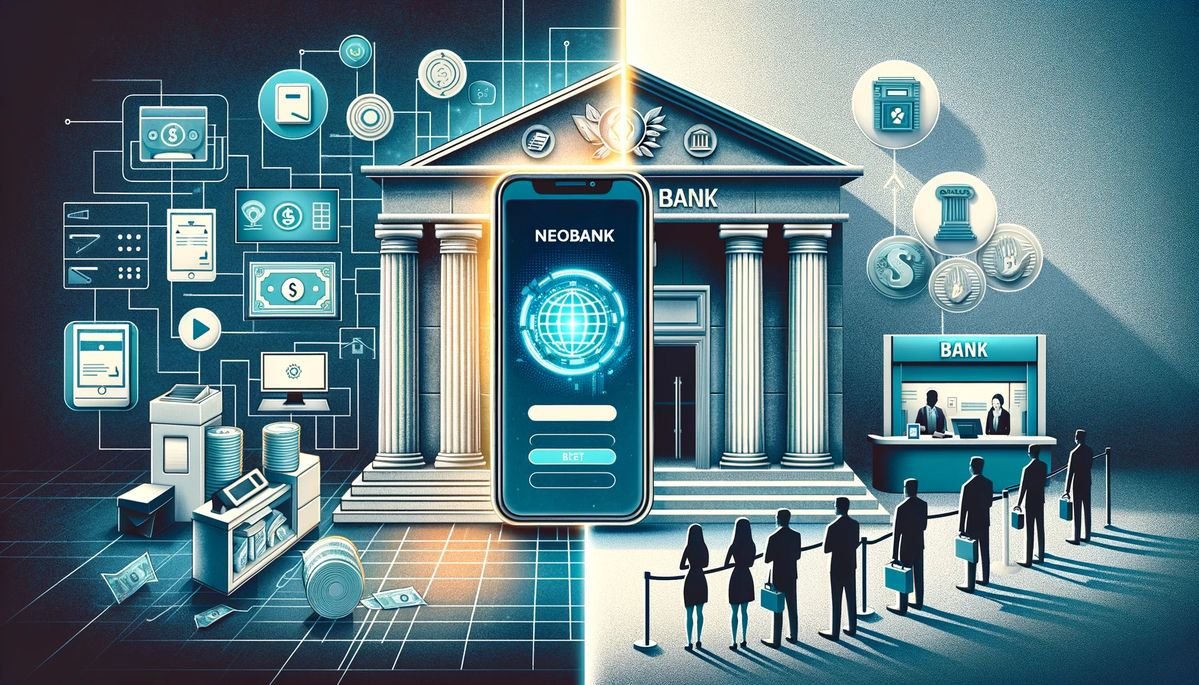
First, these systems save time. Instead of waiting in long lines or handling cash, users can complete transactions instantly. This is especially useful for busy individuals and businesses.
Second, electronic payment systems improve security. Most digital payment methods use encryption and authentication features to protect user data. This reduces the risk of theft compared to carrying cash.
Third, they support online businesses. Without electronic payment systems, e-commerce would not exist. Businesses can accept payments from customers anywhere in the world.
Additionally, these systems help in record keeping. Every transaction is stored digitally, making it easier to track spending and manage finances.
Finally, electronic payment systems contribute to a cashless economy, which can improve transparency and reduce corruption in financial systems.
Detailed Step-by-Step Guide
Step 1: Choose a Payment Method
Start by selecting a suitable electronic payment system. You can choose from credit cards, debit cards, mobile wallets, or online banking based on your needs.
For beginners, mobile wallets and debit cards are usually the easiest to use.
Step 2: Set Up Your Account
Next, create an account with your chosen payment provider. This may involve linking your bank account or card details.
Make sure you use accurate information to avoid issues during transactions.
Step 3: Verify Your Identity
Most electronic payment systems require identity verification. This step ensures that your account is secure.
You may need to enter a code sent to your phone or email.
Step 4: Add Funds
If you are using a wallet, you need to add money to it. This can be done through bank transfers or card payments.
Some systems automatically deduct money from your linked account when you make a payment.
Step 5: Make a Payment
To make a payment, enter the recipient details and the amount. Then confirm the transaction.
In many cases, you will receive a confirmation message instantly.
Step 6: Track Your Transactions
After completing a payment, you can check your transaction history. This helps you keep track of your spending and avoid errors.
Step 7: Ensure Security

Always use strong passwords and avoid sharing your details with others. Enable security features like two-factor authentication for extra protection.
Benefits of Electronic Payment Systems
- Fast and convenient transactions
- Reduced need for physical cash
- Easy tracking of expenses
- Secure payment methods with encryption
- Global accessibility for businesses and users
- Lower risk of theft compared to cash
- Supports online shopping and digital services
- Saves time for both customers and businesses
Disadvantages / Risks
- Risk of cyber fraud or hacking
- Requires internet or network access
- Technical issues can delay transactions
- Hidden fees in some payment methods
- Dependence on electronic devices
- Limited access for people without digital knowledge
- Data privacy concerns if systems are not secure
Common Mistakes to Avoid
Many beginners make simple mistakes when using electronic payment systems. Avoiding these can save you from trouble.
One common mistake is using weak passwords. Always create strong and unique passwords for your accounts.
Another mistake is ignoring security updates. Payment apps often release updates to fix security issues, so keep them updated.
Sharing personal details is also risky. Never share your PIN, passwords, or verification codes with anyone.
Some users do not check transaction details before confirming payments. Always double-check the amount and recipient information.
Using public Wi-Fi for transactions can also be dangerous. It is better to use a secure internet connection.
Finally, many people do not monitor their accounts regularly. Checking your transaction history helps you detect any unusual activity early.
FAQs
1. What are electronic payment systems?
Electronic payment systems are digital tools that allow users to transfer money without using cash. They include cards, mobile wallets, and online banking services.
2. Are electronic payment systems safe?
Yes, most electronic payment systems are safe. They use encryption and security measures. However, users must follow safety practices to avoid risks.
3. What is the most common electronic payment method?
Credit and debit cards are the most common methods. Mobile wallets are also becoming very popular due to their ease of use.
4. Can I use electronic payment systems internationally?
Yes, many systems support international transactions. However, fees and exchange rates may apply depending on the service.
5. Do I need internet access to use these systems?
Most electronic payment systems require internet access. Some card payments can work offline, but online access is generally needed.
6. What should I do if a transaction fails?
If a transaction fails, check your account balance and internet connection. If the issue continues, contact your payment provider for support.
Expert Tips & Bonus Points
To make the most of electronic payment systems, follow these expert tips.
First, always use trusted payment platforms. Avoid unknown apps or services that may not be secure.
Second, enable notifications for all transactions. This helps you stay updated and detect any unauthorized activity quickly.
Third, set spending limits. This can help you manage your budget and avoid overspending.
Fourth, keep backups of important information such as transaction receipts. These can be useful in case of disputes.
Fifth, regularly review your bank statements. This habit ensures that all transactions are accurate.
Additionally, consider using multiple payment methods. This gives you flexibility and backup options if one method fails.
Finally, educate yourself about new features and updates. Technology is always evolving, and staying informed can help you use these systems more effectively.
Conclusion
Electronic payment systems have become an essential part of modern life. They offer a fast, secure, and convenient way to handle financial transactions. From shopping online to paying bills, these systems make everyday tasks easier and more efficient.
As more people adopt digital payment methods, the importance of understanding how they work continues to grow. By learning the basics, you can use electronic payment systems confidently and safely.
While there are some risks involved, following proper security practices can greatly reduce them. Always stay alert, protect your information, and choose reliable payment providers.
In the future, electronic payment systems will continue to evolve with new technologies. This will bring even more convenience and opportunities for users around the world.
By using these systems wisely, you can enjoy their benefits while avoiding common mistakes. Whether you are a beginner or someone looking to improve your knowledge, this guide provides a strong foundation for navigating the world of digital payments.
