

Introduction
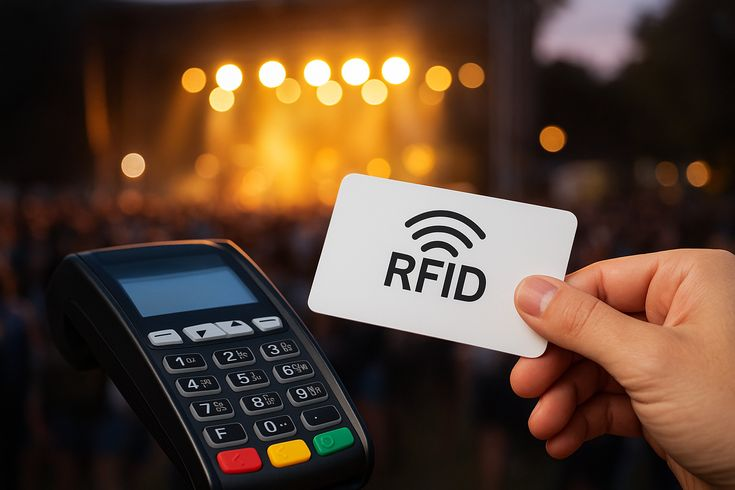
Modern payment systems are changing the way people send and receive money every day. Instead of relying only on cash, people now use digital methods like mobile wallets, online banking, and contactless cards. These systems are fast, convenient, and widely accepted across the world. As technology continues to grow, businesses and individuals are adopting modern payment systems to make transactions smoother and safer.
In today’s digital age, even small businesses and freelancers prefer digital payments over traditional methods. Whether you are shopping online, paying bills, or transferring money to a friend, modern payment systems make everything quick and simple. Moreover, they reduce the need to carry physical cash, which lowers risks like theft or loss.
Understanding modern payment systems is important for both beginners and intermediate users. It helps you choose the right payment method, avoid mistakes, and stay secure while managing money online. In this guide, you will learn what modern payment systems are, why they matter, how they work, and how you can use them effectively in your daily life.
What is Modern Payment Systems?
Modern payment systems refer to digital methods used to transfer money electronically without the need for physical cash. These systems rely on technology such as the internet, mobile devices, and secure networks to process transactions quickly and safely.
They include tools like credit cards, debit cards, mobile wallets, online banking, and peer-to-peer payment apps. For example, when you pay for something using your phone or transfer money through an app, you are using modern payment systems.
Unlike traditional methods, modern payment systems allow instant or near-instant transactions. They also offer features like transaction tracking, automated payments, and enhanced security. As a result, they have become an essential part of everyday financial activities.
Why is Modern Payment Systems Important?
Modern payment systems are important because they make financial transactions easier and more efficient. First, they save time. You no longer need to visit a bank or wait in long lines to complete a payment. Everything can be done within seconds using a smartphone or computer.
Second, they improve convenience. You can pay bills, shop online, or send money to anyone at any time. This is especially useful for businesses that operate globally.
Third, modern payment systems increase financial inclusion. Many people who do not have access to traditional banking can still use digital payment apps. This helps them participate in the economy.
Finally, these systems enhance security. With features like encryption and authentication, they reduce the risk of fraud compared to carrying large amounts of cash.
Detailed Step-by-Step Guide
Step 1: Choose a Payment Method
Start by selecting a modern payment system that suits your needs. Options include mobile wallets, online banking, or card payments. Choose one based on ease of use, availability, and security features.
Step 2: Create an Account
Sign up on your chosen platform by providing basic details such as your name, email, and phone number. Some services may require identity verification for security purposes.
Step 3: Link Your Bank or Card
Connect your bank account or debit/credit card to the payment system. This allows you to add funds or make payments directly from your account.
Step 4: Add Funds
If required, deposit money into your digital wallet. Some systems allow direct payments without adding funds separately.
Step 5: Make a Payment
Enter the recipient’s details, such as phone number or account ID, and input the amount. Confirm the transaction after reviewing the details.
Step 6: Verify the Transaction
Most modern payment systems require authentication, such as a password, PIN, or fingerprint, to complete the transaction securely.
Step 7: Keep Records
Always check your transaction history to track payments and ensure everything is correct. This helps in managing your finances better.
Benefits of Modern Payment Systems
- Fast and instant transactions
- Easy to use for beginners
- Reduces the need for physical cash
- Available anytime and anywhere
- Supports online shopping and global payments
- Provides transaction records for better tracking
- Enhances security with encryption and authentication
- Encourages financial inclusion for unbanked users
Disadvantages / Risks
- Risk of cyber fraud or hacking
- Requires internet access
- Technical issues may delay transactions
- Some platforms charge fees
- Users may overspend due to ease of payment
- Privacy concerns if data is not protected properly
Common Mistakes to Avoid
One common mistake is not checking transaction details before confirming a payment. This can lead to sending money to the wrong person. Always review the information carefully.
Another mistake is using weak passwords. Strong passwords and two-factor authentication are essential for protecting your account.
Many users also ignore security updates. Keeping your apps updated ensures you have the latest protection features.
Additionally, avoid using public Wi-Fi for financial transactions. It increases the risk of data theft.
Finally, do not share your personal or banking details with anyone. Legitimate services never ask for sensitive information through unofficial channels.
FAQs
1. What are modern payment systems?
Modern payment systems are digital tools that allow people to send and receive money electronically. They include mobile wallets, online banking, and card payments.
2. Are modern payment systems safe?
Yes, most modern payment systems are safe because they use encryption and authentication methods. However, users must follow security practices to stay protected.
3. Do I need a bank account to use them?
Some systems require a bank account, while others allow you to use a mobile wallet without one. It depends on the platform you choose.
4. Can I use modern payment systems for international payments?
Yes, many systems support global transactions. However, fees and processing times may vary depending on the service.
5. What should I do if a transaction fails?
If a transaction fails, check your internet connection and account balance. If the issue continues, contact customer support for assistance.
6. Are there any fees involved?
Some modern payment systems charge fees for certain services, such as international transfers or instant withdrawals. Always check the fee structure before using a platform.
7. How can I keep my transactions secure?
Use strong passwords, enable two-factor authentication, avoid public Wi-Fi, and regularly monitor your account activity.
Expert Tips & Bonus Points
To get the most out of modern payment systems, always choose trusted platforms with strong security features. This reduces the risk of fraud and ensures a smooth experience.
It is also a good idea to set spending limits. This helps you control your finances and avoid overspending.
Another useful tip is to enable notifications for every transaction. This allows you to track activity in real time and detect any suspicious behavior quickly.
Moreover, keep backup payment options. For example, if one method fails, you can use another without any delay.
Finally, stay informed about new updates and features. Technology is constantly evolving, and understanding these changes will help you use modern payment systems more effectively.
Conclusion
Modern payment systems have transformed the way people manage money in today’s digital world. They offer speed, convenience, and security, making financial transactions easier than ever before. From paying bills to shopping online, these systems play a vital role in everyday life.
However, while they provide many benefits, it is important to use them wisely. Understanding how they work, choosing reliable platforms, and following security practices can help you avoid risks and make the most of digital payments.
As technology continues to advance, modern payment systems will become even more efficient and widely used. By learning and adapting to these systems, you can stay ahead and manage your finances with confidence.
