


Money management apps have changed the way people handle their finances in today’s fast-moving digital world. Instead of writing expenses in notebooks or trying to remember where money goes, these apps make everything simple, organized, and easy to track. Whether you are a student, a working professional, or someone managing a household, using money management appshttps://heartpays.com/category/money-management/ can help you stay in control of your finances. In the first few days of using such tools, you may notice how clearly your spending habits appear. This awareness is often the first step toward better financial decisions. Moreover, money management apps are designed to be user-friendly, so even beginners can start without any confusion. As financial responsibilities grow, having a reliable system becomes important. These apps not only track expenses but also help you set budgets, monitor savings, and plan for the future. As a result, users can reduce stress related to money and feel more confident about their financial choices. In this guide, you will learn everything you need to know about money management apps, including how they work, why they matter, and how to use them effectively.
What is Money Management Apps?
Money management apps are digital tools that help individuals track, organize, and control their finances. These apps are available on smartphones and computers, making them accessible anytime and anywhere. They allow users to record income, monitor expenses, set budgets, and analyze spending patterns in a simple way. Instead of guessing where your money is going, you can see detailed insights through charts and summaries.
In addition, money management apps often connect directly to bank accounts, which means transactions are automatically updated. This feature saves time and reduces the chances of missing any expenses. Some apps also offer reminders for bill payments, helping users avoid late fees. Overall, these tools act like a personal finance assistant that guides you toward better financial habits.
Why is Money Management Apps Important?
Money management apps play a key role in helping people achieve financial stability. Without proper tracking, it is easy to overspend or lose track of expenses. These apps provide a clear picture of your financial situation, allowing you to make informed decisions.
Furthermore, money management apps encourage disciplined spending. When you see how much you spend on unnecessary items, you become more mindful. This awareness helps in cutting down expenses and saving more money.
Another important reason is financial planning. These apps help users set goals such as saving for a trip, buying a car, or building an emergency fund. By tracking progress, users stay motivated and focused.
In addition, using money management apps reduces financial stress. Knowing where your money goes gives you a sense of control and confidence. As a result, you can focus on long-term financial growth instead of worrying about daily expenses.
Detailed Step-by-Step Guide
Step 1: Choose the Right App
Start by selecting a money management app that suits your needs. Some apps focus on budgeting, while others provide complete financial tracking. Look for features like ease of use, security, and customization options.
Step 2: Set Up Your Profile
After installing the app, create your account and enter basic financial details. This may include your income, expenses, and financial goals. Make sure the information is accurate for better results.
Step 3: Connect Your Accounts
Many money management apps allow you to link bank accounts and credit cards. This step helps automate transaction tracking. However, if you prefer manual entry, you can skip this step.
Step 4: Create a Budget
Set monthly spending limits for different categories such as food, rent, and entertainment. A budget helps you control your expenses and avoid overspending.
Step 5: Track Your Expenses
Record daily expenses or let the app track them automatically. Review your spending regularly to understand your habits.
Step 6: Set Financial Goals
Define short-term and long-term goals. For example, saving a certain amount each month or reducing unnecessary expenses.
Step 7: Analyze Reports
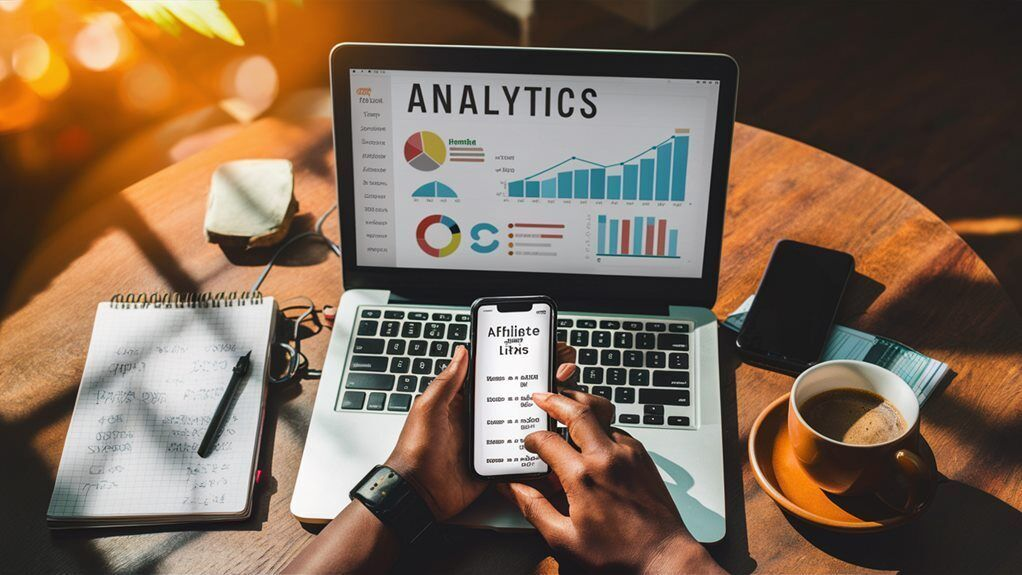
Use charts and summaries provided by money management apps to evaluate your progress. These insights help you adjust your budget and improve your financial decisions.
Step 8: Stay Consistent
Consistency is key when using money management apps. Make it a habit to check your app daily or weekly. This practice ensures better financial control over time.
Benefits of Money Management Apps
- Easy tracking of income and expenses
- Helps create and maintain a budget
- Provides clear financial insights
- Encourages saving habits
- Reduces unnecessary spending
- Offers reminders for bill payments
- Improves financial discipline
- Saves time with automated tracking
Disadvantages / Risks
- Data privacy concerns if not secure
- Over-reliance on technology
- Requires regular updates for accuracy
- Some apps may have subscription costs
- Learning curve for beginners
- Possible syncing errors with bank accounts
Common Mistakes to Avoid
One common mistake is not updating the app regularly. If your data is outdated, the insights will not be accurate.
Another mistake is setting unrealistic budgets. When budgets are too strict, users often give up quickly.
Ignoring small expenses is also a problem. Even minor purchases can add up over time, so they should be tracked.
Additionally, many users stop using money management apps after a few weeks. Consistency is important for long-term benefits.
Finally, not reviewing reports can limit the effectiveness of these apps. Regular analysis helps improve financial habits.
FAQs
1. Are money management apps safe to use?
Most money management apps use strong security measures like encryption. However, it is important to choose trusted apps and avoid sharing sensitive information unnecessarily.
2. Do I need to connect my bank account?
No, it is optional. You can manually enter your transactions if you prefer not to connect your bank account.
3. Can beginners use money management apps easily?
Yes, most apps are designed for beginners. They have simple interfaces and step-by-step guidance.
4. Are money management apps free?
Many apps offer free versions with basic features. Some advanced features may require a paid subscription.
5. How often should I check my app?
It is recommended to check your money management apps daily or at least a few times a week to stay updated.
6. Can these apps help in saving money?
Yes, they help identify unnecessary spending and encourage better saving habits through budgeting and goal setting.
Expert Tips & Bonus Points
Start with simple features before exploring advanced options. This approach helps you avoid confusion and build confidence.
Set realistic financial goals that match your income and lifestyle. Achievable goals keep you motivated.
Use notifications and reminders to stay on track with bills and budgets.
Review your financial reports at the end of each month. This habit helps you understand your progress and make improvements.
Try to limit the number of categories in your budget. Too many categories can make tracking complicated.
Finally, treat money management apps as a tool, not a solution. Your financial discipline plays the most important role.
Conclusion
Money management apps have become an essential tool for anyone looking to improve their financial habits. They simplify complex financial tasks and provide clear insights into income and expenses. By using money management apps regularly, users can develop better budgeting skills and make smarter financial decisions. These apps are especially useful for beginners who may not have experience in managing money effectively.
At the same time, it is important to remember that no app can replace good financial discipline. While money management apps provide guidance and structure, the responsibility of managing money still lies with the user. Therefore, consistency, awareness, and commitment are key to success.
In conclusion, if you want to take control of your finances, reduce stress, and achieve your financial goals, money management apps are a great place to start. With the right approach and regular use, they can make a significant difference in your financial journey.
